Focus Keyword
Indian Rupee falls against US Dollar
URL Slug
indian-rupee-falls-against-us-dollar-july-2026
Meta Description
The Indian Rupee weakened past ₹96 against the US Dollar as rising crude oil prices and global geopolitical tensions weighed on investor sentiment. Here’s what it means for India’s economy.
Indian Rupee Falls Past ₹96 Against US Dollar Amid Rising Crude Oil Prices and Global Uncertainty
Published: July 14, 2026
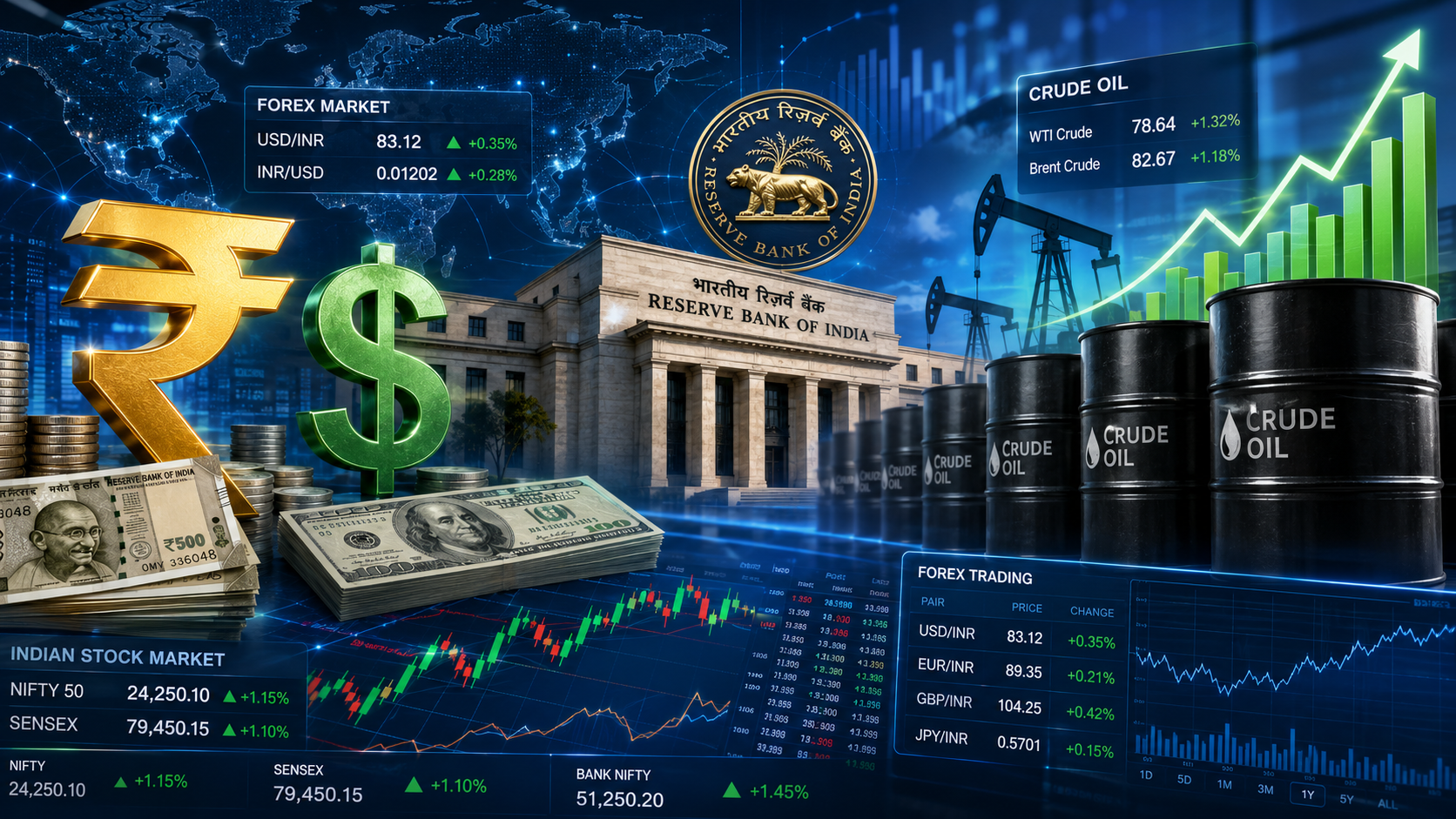
The Indian Rupee came under pressure on Tuesday, slipping past the ₹96-per-US Dollar mark as investors reacted to rising crude oil prices, global geopolitical tensions, and increased demand for the US Dollar. The depreciation reflects broader uncertainty in international financial markets, particularly following escalating developments in West Asia.
Currency experts say the rupee’s movement is being driven by a combination of external factors, including higher energy prices, a stronger US Dollar, and cautious investor sentiment.
Why Is the Rupee Falling?
Several global and domestic factors have contributed to the rupee’s decline:
- Rising international crude oil prices.
- Increased demand for the US Dollar.
- Geopolitical tensions affecting global markets.
- Foreign Institutional Investors (FIIs) reducing exposure to emerging markets.
- Higher import bills for energy-dependent countries like India.
India imports nearly 85% of its crude oil requirements, making the rupee particularly sensitive to changes in global oil prices.
Impact of Rising Crude Oil Prices
Crude oil is one of India’s largest imports. When prices rise:
- Import costs increase.
- Oil marketing companies spend more dollars.
- Demand for US currency rises.
- The rupee weakens against the dollar.
Higher oil prices also increase transportation and manufacturing costs, eventually affecting consumers through inflation.
How Does a Weak Rupee Affect Indians?
Fuel Prices
A weaker rupee can make imported crude oil more expensive, potentially leading to higher petrol and diesel prices.
Imported Goods
Products such as electronics, smartphones, laptops, and machinery may become costlier.
Foreign Education
Students studying abroad may face higher tuition and living expenses due to increased currency conversion costs.
Overseas Travel
International travel becomes more expensive as travelers need more rupees to buy foreign currencies.
Who Benefits from a Weak Rupee?
Not everyone loses when the rupee declines.
Some sectors may benefit, including:
- IT companies earning revenue in US Dollars.
- Pharmaceutical exporters.
- Textile exporters.
- Business Process Outsourcing (BPO) companies.
- Engineering goods exporters.
Since these companies receive payments in dollars, a weaker rupee can improve their earnings in Indian currency terms.
Market Reaction
Indian equity markets remained cautious as investors tracked currency movements alongside global developments.
Analysts observed:
- Increased volatility in financial markets.
- Defensive buying in export-oriented sectors.
- Pressure on companies dependent on imported raw materials.
Market participants continue to monitor crude oil prices and global geopolitical events for further direction.
What Is the RBI Likely to Do?
The Reserve Bank of India (RBI) closely monitors exchange rate movements.
Possible measures include:
- Selling US Dollars from foreign exchange reserves.
- Managing liquidity in the banking system.
- Monitoring inflationary pressures.
- Maintaining financial market stability.
The RBI generally aims to reduce excessive volatility rather than target a specific exchange rate.
Expert Analysis
Economists believe the rupee’s performance will depend on:
- Future crude oil prices.
- Global geopolitical developments.
- US Federal Reserve policy.
- Capital inflows into India.
- Domestic economic growth.
If oil prices stabilize and foreign investment returns, the rupee could recover some of its recent losses.
What Investors Should Watch
Key indicators over the coming weeks include:
- Brent crude oil prices.
- RBI policy announcements.
- Inflation data.
- US Dollar Index (DXY).
- Foreign investment flows.
- Corporate earnings.
These factors will influence the rupee’s trajectory and broader financial market sentiment.
Conclusion
The rupee’s decline beyond ₹96 against the US Dollar reflects growing uncertainty in global financial markets amid rising oil prices and geopolitical tensions. While exporters may benefit from a weaker currency, importers and consumers could face higher costs.
The coming weeks will be crucial as policymakers, businesses, and investors assess the impact of global developments on India’s economy.
Frequently Asked Questions (FAQs)
Q1. Why did the Indian Rupee weaken?
The rupee weakened due to rising crude oil prices, geopolitical tensions, and increased demand for the US Dollar.
Q2. How does a weak rupee affect consumers?
It can increase the cost of imported goods, fuel, foreign travel, and overseas education.
Q3. Who benefits from a weaker rupee?
Export-oriented industries such as IT, pharmaceuticals, and textiles may benefit because they earn revenue in US Dollars.
Q4. Can the RBI stop the rupee from falling?
The RBI can intervene to reduce excessive volatility but generally does not target a fixed exchange rate.
Source
- Reserve Bank of India (RBI)
- Reuters
- Bloomberg
- Financial market updates (July 14, 2026)