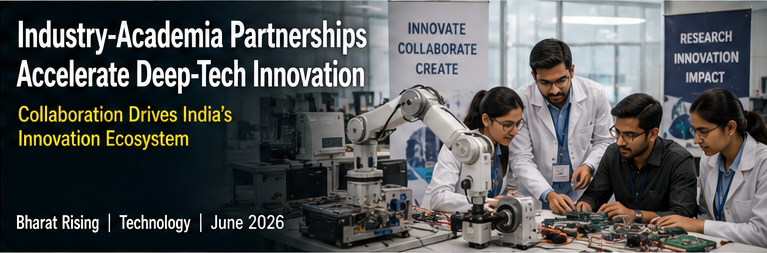
India and France have taken a significant step toward strengthening technological cooperation by launching the Innovation Roadmap 2030, a comprehensive initiative designed to promote collaboration in artificial intelligence, scientific research, digital transformation, and emerging technologies.
The roadmap reflects the growing importance of technology partnerships in addressing global challenges and creating new opportunities for economic growth. Both countries aim to leverage their strengths in innovation, research, entrepreneurship, and digital development to build a stronger and more resilient technology ecosystem.
As technology becomes increasingly central to economic competitiveness and national development, partnerships such as this are expected to play a crucial role in shaping the future of innovation.
A New Era of Technology Cooperation
The Innovation Roadmap 2030 represents a long-term commitment to advancing technological collaboration between India and France. The initiative covers multiple sectors, including artificial intelligence, cybersecurity, quantum computing, advanced manufacturing, digital infrastructure, and clean technology.
Government leaders from both nations have emphasized the importance of innovation in driving sustainable economic growth and addressing complex global issues. Through coordinated efforts, India and France hope to strengthen research capabilities, support startups, and encourage private-sector participation.
The partnership also highlights the growing role of international cooperation in accelerating technological progress.
Artificial Intelligence Takes Center Stage
Artificial intelligence is one of the most important focus areas under the Innovation Roadmap 2030. AI has emerged as a transformative technology capable of improving productivity, enhancing decision-making, and creating new business opportunities across industries.
Both countries plan to collaborate on AI research, ethical governance frameworks, workforce development, and practical applications in sectors such as healthcare, education, agriculture, transportation, and public administration.
By sharing expertise and resources, India and France aim to accelerate AI adoption while ensuring that technological development remains responsible and inclusive.
Strengthening Research and Development
Research and development are critical components of technological advancement. The roadmap encourages universities, research institutions, laboratories, and innovation centers from both countries to work together on strategic projects.
Collaborative research programs can help accelerate discoveries in fields such as renewable energy, biotechnology, advanced materials, space technology, and digital systems.
Academic exchanges and joint innovation initiatives are expected to create new opportunities for scientists, engineers, and researchers while strengthening global knowledge-sharing networks.
Startup Ecosystems Gain New Opportunities
Startups are expected to play a major role in the success of the Innovation Roadmap 2030. India has one of the world’s fastest-growing startup ecosystems, while France has emerged as a leading innovation hub in Europe.
The partnership aims to provide entrepreneurs with greater access to funding, mentorship, international markets, and research resources. Startup founders will benefit from expanded opportunities to collaborate across borders and develop innovative solutions to global challenges.
Emerging sectors such as fintech, health technology, artificial intelligence, cybersecurity, and climate technology are expected to receive significant attention.
Digital Transformation Remains a Priority
Digital transformation has become essential for businesses, governments, and institutions worldwide. The roadmap supports efforts to modernize digital infrastructure and improve access to advanced technologies.
India’s success in developing digital public infrastructure, digital payments, and online service delivery has attracted international attention. France, meanwhile, has extensive expertise in industrial technology, research, and digital innovation.
Combining these strengths can help accelerate digital transformation initiatives while promoting efficiency, inclusion, and economic growth.
Cybersecurity Collaboration Expands
As digital systems become increasingly interconnected, cybersecurity has emerged as a major priority for governments and businesses.
The Innovation Roadmap 2030 includes initiatives aimed at strengthening cybersecurity cooperation, sharing best practices, and developing advanced security technologies.
Protecting critical infrastructure, safeguarding data, and addressing cyber threats require international collaboration. Joint efforts between India and France could contribute to stronger digital resilience and greater trust in technology systems.
Emerging Technologies Shape the Future
Beyond artificial intelligence, the roadmap focuses on a wide range of emerging technologies that are expected to influence future economic development.
These include quantum computing, advanced robotics, semiconductor technologies, next-generation telecommunications, and sustainable innovation solutions.
Investments in these areas can create high-skilled jobs, improve industrial competitiveness, and support long-term technological leadership.
Experts believe that countries investing in emerging technologies today will be better positioned to compete in the global economy of the future.
Benefits for Businesses and Investors
The Innovation Roadmap 2030 is expected to create substantial opportunities for businesses and investors. Technology companies can benefit from increased collaboration, access to new markets, and expanded research partnerships.
Investors may also find attractive opportunities in sectors supported by government initiatives and international cooperation agreements.
The roadmap encourages private-sector participation, recognizing that innovation often emerges through collaboration between governments, academia, and industry.
Challenges and Considerations
While the roadmap presents significant opportunities, successful implementation will require effective coordination among stakeholders. Regulatory frameworks, intellectual property protections, funding mechanisms, and workforce development initiatives must be aligned to support innovation goals.
Both countries will need to ensure that technological advancements are accompanied by ethical considerations, privacy protections, and inclusive growth strategies.
Addressing these challenges will be essential for maximizing the benefits of the partnership.
Future Outlook
The launch of the Innovation Roadmap 2030 signals a strong commitment to technology-driven growth and international cooperation. As artificial intelligence and emerging technologies continue to reshape economies worldwide, partnerships between nations will become increasingly important.
India and France are positioning themselves to benefit from these trends by investing in research, innovation, and entrepreneurship. If successfully implemented, the roadmap could accelerate technological progress while generating economic opportunities for businesses, researchers, and citizens alike.
Conclusion
The India-France Innovation Roadmap 2030 represents a major milestone in international technology cooperation. By focusing on artificial intelligence, research collaboration, digital transformation, cybersecurity, and startup development, both nations are creating a framework for long-term innovation and economic growth.
As technology continues to shape the future, strategic partnerships such as this will play a critical role in driving progress, solving global challenges, and creating new opportunities in an increasingly digital world.
Source Links
https://timesofindia.indiatimes.com/india