The sports industry is undergoing a significant transformation as digital technologies continue to reshape the way athletes train, teams compete, and fans engage with their favorite sports. From artificial intelligence and data analytics to virtual reality and wearable technology, innovation is becoming a major driver of growth across the global sports ecosystem.
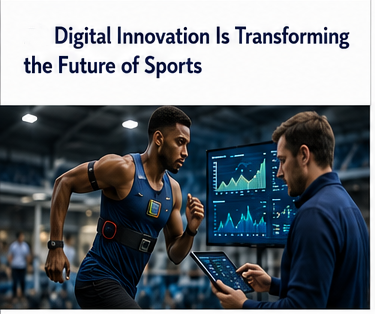
Technology has become an essential component of modern sports. Professional teams and athletes now rely on advanced performance-tracking systems to monitor fitness levels, analyze gameplay, and improve decision-making. Wearable devices provide real-time data on speed, endurance, heart rate, and recovery, helping athletes optimize their performance while reducing the risk of injuries.
Artificial intelligence and machine learning are also playing an increasingly important role in sports analytics. Teams can analyze large volumes of data to identify patterns, evaluate player performance, and develop more effective strategies. These technologies provide valuable insights that can improve both individual and team outcomes.
Fan engagement has been transformed by digital platforms. Sports organizations now use social media, mobile applications, live-streaming services, and interactive content to connect with audiences worldwide. Fans can access real-time updates, exclusive interviews, behind-the-scenes content, and personalized experiences regardless of their location.
The rise of streaming services has expanded access to sports content. Viewers can watch matches, highlights, and analysis on multiple devices, creating new opportunities for broadcasters and sports organizations to reach global audiences. This digital shift has contributed to increased viewership and revenue generation.
Virtual reality (VR) and augmented reality (AR) technologies are creating immersive experiences for fans and athletes alike. Training simulations help athletes refine skills in controlled environments, while fans can enjoy enhanced viewing experiences that bring them closer to the action.
Esports has emerged as another major area of growth within the sports industry. Competitive gaming now attracts millions of viewers and participants worldwide, generating significant sponsorship, advertising, and media revenue. The growth of esports highlights the expanding definition of sports in the digital age.
Sports venues are also adopting smart technologies to improve fan experiences. Digital ticketing, cashless payments, advanced security systems, and real-time crowd management solutions help create safer and more convenient environments for spectators.
Sustainability is increasingly being integrated with technological innovation. Smart stadiums, energy-efficient facilities, and environmentally responsible event management practices are helping sports organizations reduce their environmental impact while improving operational efficiency.
Industry experts believe that digital innovation will continue to shape the future of sports by enhancing performance, increasing accessibility, and creating new business opportunities. Organizations that successfully embrace technology are likely to gain competitive advantages while delivering greater value to athletes, fans, and stakeholders.
As technology continues to evolve, the sports industry is expected to become more connected, data-driven, and interactive. The combination of innovation and athletic excellence is creating exciting possibilities that will define the future of sports for years to come.
Source Link:
https://www.fifa.com/innovation