India’s banking sector is entering a new phase of growth in 2026, driven by rising credit demand, digital transformation, and continued economic expansion. Financial institutions across the country are witnessing increased lending activity from businesses, consumers, and infrastructure projects, creating positive momentum for the industry.
The banking sector plays a critical role in supporting economic development by providing loans, managing deposits, facilitating transactions, and promoting financial inclusion. As India continues to strengthen its position as one of the world’s fastest-growing major economies, banks are expected to remain at the center of this transformation.
Industry experts believe that favorable economic conditions, improving asset quality, and technological innovation will contribute significantly to banking sector growth over the coming years.
Rising Credit Demand Fuels Expansion
One of the primary drivers of banking growth in 2026 is increasing demand for credit across multiple sectors. Businesses are seeking loans to expand operations, invest in technology, and support new projects.
At the same time, retail lending continues to grow as consumers borrow for housing, education, automobiles, and personal financial needs. Strong consumer confidence and economic activity have encouraged banks to increase lending while maintaining prudent risk management practices.
Infrastructure development projects supported by both government and private investment are also generating substantial financing opportunities for banks.
Digital Banking Continues to Transform the Industry
Digital transformation has become one of the most important developments in the Indian banking sector. Banks are investing heavily in technology to improve customer experience, enhance operational efficiency, and strengthen cybersecurity.
Mobile banking applications, digital payments, artificial intelligence, and data analytics are helping institutions provide faster and more personalized services.
Customers increasingly prefer digital channels for everyday banking activities, including fund transfers, bill payments, account management, and loan applications. This shift has reduced dependence on physical branches while improving convenience and accessibility.
Digital innovation is expected to remain a major competitive advantage for banks seeking to attract and retain customers in an increasingly technology-driven environment.
Financial Inclusion Remains a Key Priority
India has made significant progress in expanding access to financial services. Government initiatives and banking sector reforms have enabled millions of citizens to open bank accounts and participate in the formal financial system.
Financial inclusion programs continue to support economic empowerment by providing access to savings accounts, credit facilities, insurance products, and digital payment services.
Banks are increasingly leveraging technology to reach rural and underserved communities, ensuring that more individuals and small businesses can benefit from financial services.
Experts believe that continued progress in financial inclusion will contribute to sustainable economic growth and stronger banking sector performance.
Improved Asset Quality Strengthens Confidence
One of the most encouraging trends in recent years has been the improvement in asset quality across the banking industry. Non-performing assets (NPAs), which represent loans that borrowers are unable to repay, have declined significantly compared to previous years.
Banks have strengthened risk management frameworks, improved loan monitoring systems, and adopted more disciplined lending practices. These measures have contributed to healthier balance sheets and increased investor confidence.
A stronger financial position enables banks to expand lending activities while maintaining stability and resilience.
Role of the Reserve Bank of India
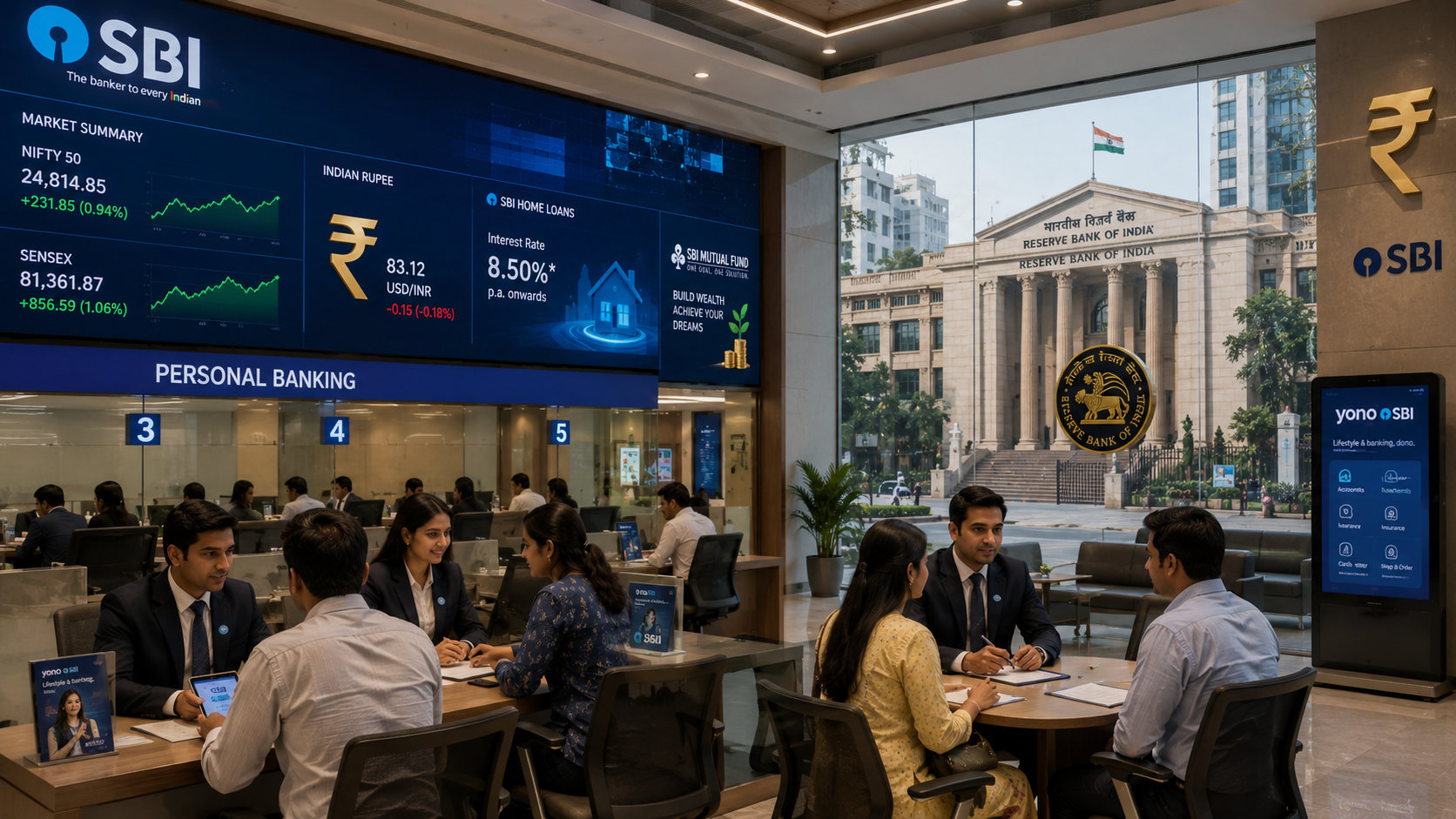
The Reserve Bank of India (RBI) continues to play a crucial role in maintaining financial stability and supporting sustainable growth within the banking sector.
Through monetary policy decisions, regulatory oversight, and financial sector reforms, the RBI helps create an environment that encourages responsible lending and economic development.
Recent policy measures aimed at improving liquidity, strengthening governance standards, and promoting digital innovation have supported positive industry trends.
Banks closely monitor RBI announcements, as regulatory changes can influence lending activity, interest rates, and overall sector performance.
Opportunities in Corporate Banking
Corporate banking remains a major growth area for financial institutions. Large companies across sectors such as manufacturing, infrastructure, renewable energy, technology, and telecommunications require significant financing to support expansion plans.
As India attracts greater foreign investment and industrial activity, demand for corporate banking services is expected to increase further.
Banks that successfully support business growth through financing solutions, advisory services, and trade finance products can strengthen their market position and profitability.
Fintech Collaboration Creates New Possibilities
The relationship between banks and fintech companies continues to evolve. Rather than viewing fintech firms solely as competitors, many banks are partnering with technology providers to enhance service offerings and improve efficiency.
Collaborations in areas such as digital lending, payments, wealth management, and customer analytics are helping banks adapt to changing consumer expectations.
Fintech partnerships are expected to play an increasingly important role in shaping the future of financial services in India.
Challenges Facing the Banking Sector
Despite the positive outlook, the banking industry faces several challenges. Economic uncertainty, global market volatility, cybersecurity risks, and regulatory compliance requirements continue to demand attention.
Banks must also balance growth objectives with prudent risk management to ensure long-term stability. Competition from fintech companies and changing customer preferences require continuous innovation and investment.
Successfully navigating these challenges will be essential for sustaining growth and maintaining customer trust.
Future Outlook
Analysts remain optimistic about the future of India’s banking sector. Strong economic fundamentals, increasing credit demand, digital innovation, and supportive regulatory policies are expected to drive continued expansion.
The sector is likely to benefit from growing consumer spending, infrastructure investments, and technological advancements that improve operational efficiency and customer experience.
Banks that embrace innovation, maintain strong governance standards, and focus on customer-centric strategies will be well-positioned for long-term success.
Conclusion
India’s banking sector is poised for significant growth in 2026 as economic expansion, digital transformation, and rising credit demand create new opportunities. Improved asset quality, financial inclusion initiatives, and technological innovation are strengthening the industry’s foundation and enhancing resilience.
While challenges remain, the overall outlook for the banking sector remains positive. As banks continue to support businesses, consumers, and economic development, they will play a crucial role in shaping India’s financial future and sustaining long-term growth.
Next category in your BR structure is Technology (2 Articles). Send “Generate Technology Article 1” and I’ll create the first 800–1000 word technology article with SEO title, meta description, tags, and source links.
Source Links