July 1, 2026, has brought several important changes for Indian consumers, taxpayers, and banking customers. These updates affect areas such as income tax filing, Aadhaar verification, passport fees, and banking procedures.
One of the most discussed changes is the revised timeline for income tax-related processes, which is expected to impact millions of taxpayers preparing their annual returns. Authorities have also emphasized the importance of keeping Aadhaar details updated to avoid disruptions in various financial services.
Banking institutions are continuing their push toward digital compliance and enhanced customer verification. Experts believe these measures are aimed at improving security, reducing fraud, and streamlining financial transactions.
Consumers may also notice changes in certain service charges and documentation requirements depending on the bank and the type of financial service being used.
Financial advisors recommend that individuals review their KYC status, update Aadhaar information if necessary, and stay informed about any bank-specific notifications issued during the month.
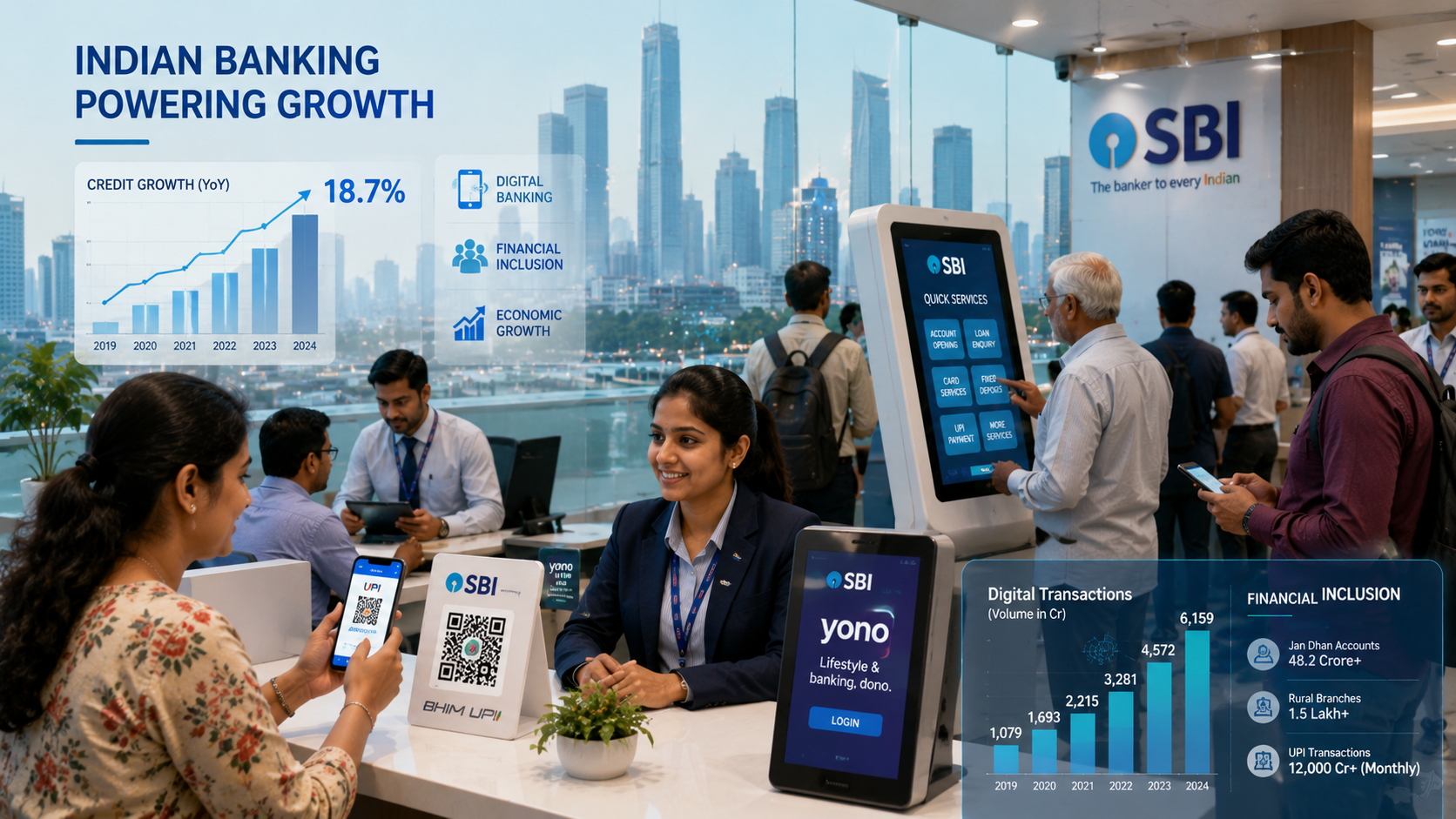
These developments highlight India’s broader move toward a more digitally integrated financial ecosystem, where identity verification and electronic processes play an increasingly central role.
Source
Times of India Business